Some Everyday Things
In our homes
-
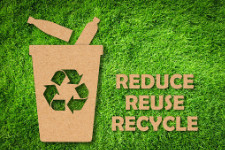
Recycling household waste


-
Try to avoid buying 'land-fill products' (plastic bags, plastic bottles, plastic coffee cups and lids and other non-biodegradable items). If we have to, then buy reusable and recycle. Great non-plastic alternatives are already available and reaching more parts of the world
-
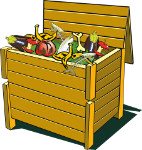
Using a composting system at home rather than throwing out food waste
-
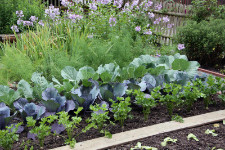
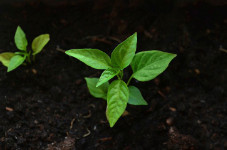
Enjoying and nurturing some living plants in our homes and in our gardens - grow some herbs and vegetables of choice
-
If we have the garden space, try keeping bees and chickens in our gardens - there are organizations that do it all for us.....we get some honey and some eggs for free, it helps our local environment and supports local business
How we eat
-
Eating Plant-based food (i.e. less meat and fish) - healthier, anti-inflammatory effect, we feel more energetic, we get quality protein and it is sustainable. It requires an adjustment of habit, but is a 'Win, Win, Win' thing!

-
Food shopping - go 'local, fresh, in-season and sustainable' where we can, without plastic packaging
How we get around
-
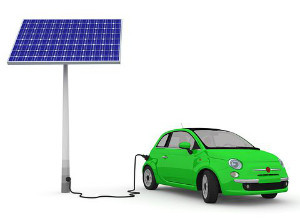
Vehicles - Buying 'green energy' cars when we can afford them - electric, green hydrogen etc rather than fossil-fuel cars
Talking about it
-
Being in the conversation
-
Pressuring local politicians, governments, corporations and organizations to get involved: incentive schemes promoting 'green' business, electric vehicles, reducing carbon emissions, encouraging plant-based eating, re-establishing natural forests and sustainable bio-diverse based crop farming

Getting away
- Visiting wildlife sanctuaries that support and demonstrate wildlife (plant and animal) conservation
-
Going on holidays with organisations committed to wildlife conservation and eco-tourism
Giving
-
Donate to qualified and accredited conservation organizations
Some Organizations Making A Difference:
African Wildlife Foundation (AWF)
International Union for Conservation of Nature (IUCN)
A big thank you to them and in particular their people working at the front of this conservation effort on behalf of all of us - they inspire us to do more